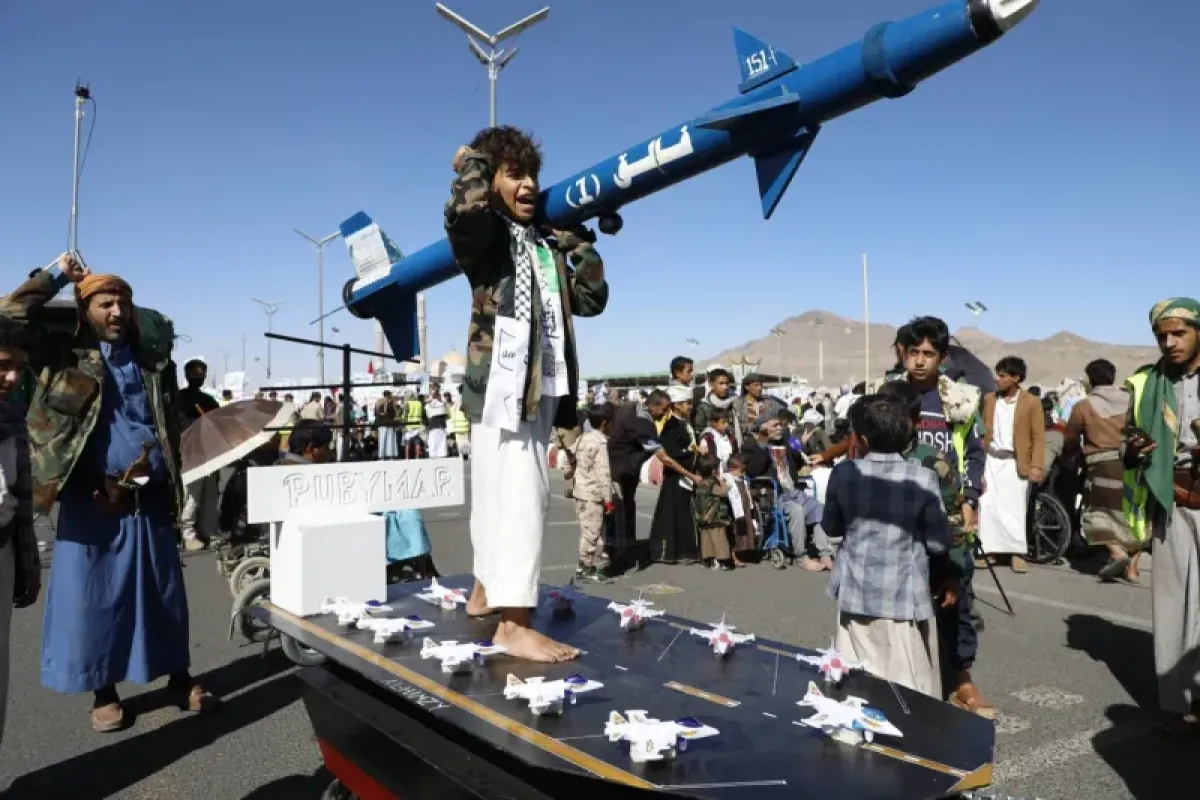
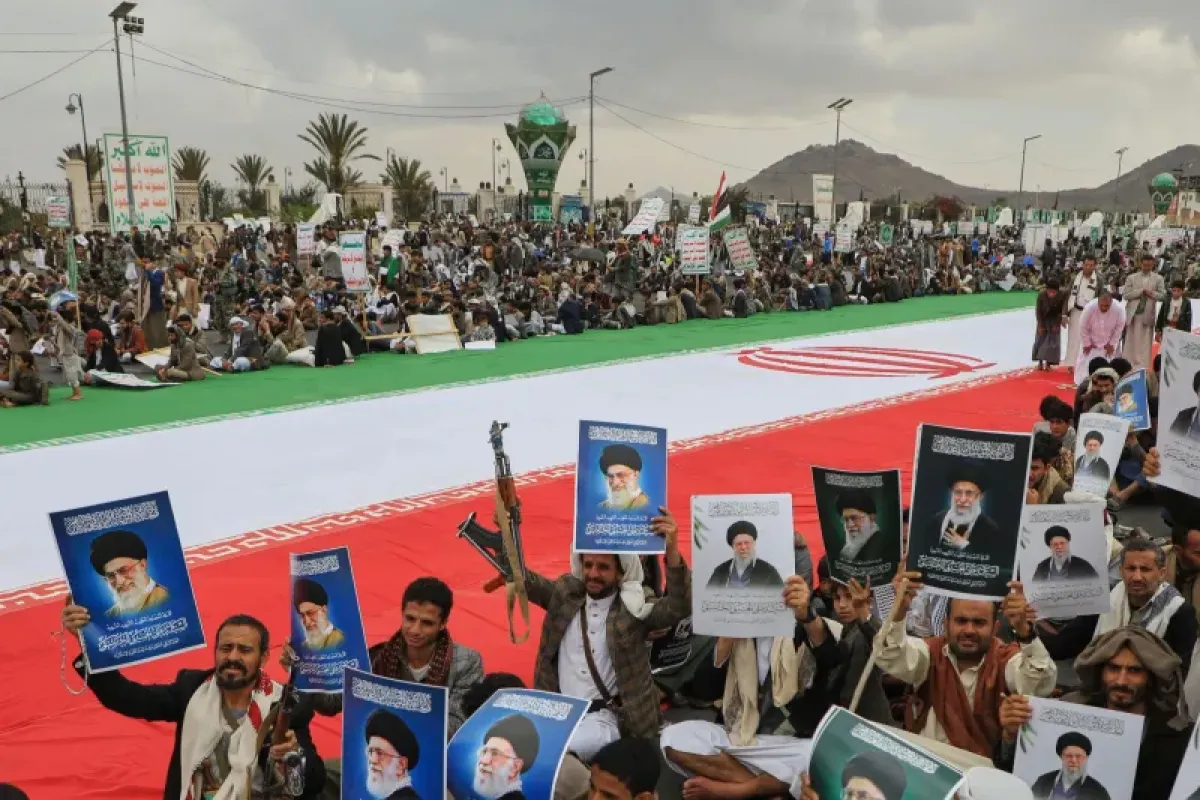
Recent developments at the UN Security Council signal a significant shift in the international community's approach to the Yemeni conflict, moving from humanitarian concerns and peace initiatives to direct condemnation of alleged Iranian violations of Yemeni sovereignty. Major powers have accused Iran of repeatedly facilitating flights to Houthi-controlled airports without the approval of the legitimate Yemeni government, reigniting concerns over military support for the group and warning of increased regional instability.
During an emergency session requested by Yemen, Iran's actions were framed not as civilian flights but as a test of international resolve to uphold international law and UN Security Council resolutions, specifically preventing the use of civilian infrastructure for military agendas.
Yemen's UN Ambassador, Abdullah Al-Saadi, emphasized that the unauthorized Iranian flights set a "dangerous precedent," attempting to impose a new reality that undermines Yemeni state institutions and their exclusive jurisdiction over airspace and airports, in direct challenge to Security Council resolutions and international sanctions regimes.
The United States, for the first time with such clarity, directly accused Iran of using civilian aviation to transport elements of the Islamic Revolutionary Guard Corps, including missile and drone experts, to bolster the Houthi militia's military capabilities. US Ambassador to the UN, Tammy Diaz, stated that an Iranian flight on July 3rd was not a routine civilian trip but carried military personnel and experts, signifying Iran's continued role in fueling the conflict and enabling the Houthis to threaten civilians and international navigation in the Red Sea. She asserted that this action violates UN Security Council Resolution 2216, which prohibits the supply of weapons and military experts to the Houthis, noting the militia's celebration of the flight's arrival as a clear defiance of international will.
France echoed these sentiments, accusing Iran of violating international law and characterizing flights to Sana'a and Hodeidah airports without government approval as destabilizing behavior that hinders de-escalation efforts. The United Kingdom stressed that any flights conducted without the consent of legitimate authorities constitute a flagrant violation of Yemeni sovereignty, warning that the transfer of military personnel or equipment through such flights, if proven, could be a direct breach of Security Council resolutions.
A growing consensus among Security Council members was evident, with the US, UK, France, Bahrain, Greece, and Denmark affirming that respect for Yemeni sovereignty is a prerequisite for any path to peace. These nations also condemned continued Houthi attacks on Saudi Arabia, viewing them as confirmation of the militia's reliance on military escalation, supported by Iran, which threatens international maritime security and regional stability.
Diplomats observed that this international alignment reflects increasing pressure on the Houthis and Tehran, as their aerial and military activities are now under direct scrutiny within the Security Council, moving beyond the scope of Yemen's internal crisis.
Despite the strong international positions, the UN focused on preventing a military escalation. Assistant Secretary-General for Middle East, Asia and the Pacific, Khaled Khiari, stated that Yemen and the region cannot afford another round of escalation, urging all parties to return to negotiations and engage in a comprehensive political process. Khiari highlighted that recent developments, including the Iranian flights, the targeting of Sana'a airport's runway, and Houthi ballistic missile launches towards Saudi Arabia, underscore the fragility of the security situation and the urgent need to contain escalation before it expands.
The UN reiterated its demand for the immediate release of its staff and humanitarian workers detained by the Houthi militia, deeming their continued detention a serious violation of international law that undermines humanitarian efforts. Observers view the Security Council session as a crucial test for the international community, not only in condemning violations but also in its readiness to translate these stances into practical measures that ensure the enforcement of resolutions and prevent the continued use of Yemeni airports and ports outside state control.
The escalating international warnings also reflect a growing recognition that continued Iranian support for the Houthis poses a threat not only to Yemen but also to Red Sea security, international navigation, and Gulf stability, explaining the broadened scope of international condemnation in recent days. Amidst this landscape, Iran and the Houthi militia face mounting political and diplomatic pressure, while the international community confronts the challenge of transitioning from condemnatory statements to deterrent actions that prevent further violations, preserve Yemeni sovereignty, and avert a wider regional confrontation that could derail remaining prospects for political settlement.