The Yemeni conflict has entered a critical new phase characterized by escalating military and political tensions. This intensification follows a series of developments, including the thwarted landing of an Iranian aircraft at Sana'a airport and subsequent Houthi missile attacks on Saudi Arabia, signaling a potential end to containment strategies and a move towards more decisive military action against the Iran-backed militia.
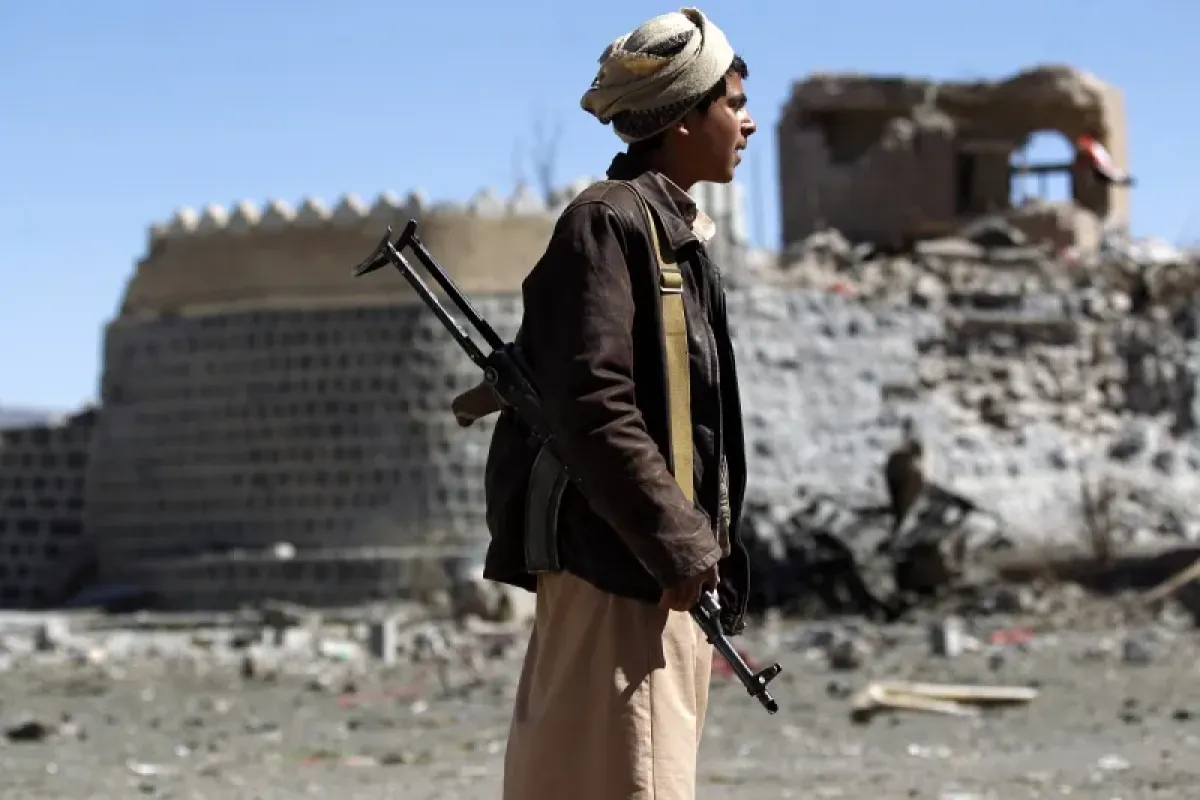
On Tuesday, intense airstrikes and explosions rocked Saada province, a Houthi stronghold, marking the first significant military escalation since the Houthi missile and drone attacks on Saudi Arabia. Local sources reported that the raids targeted Houthi military positions, with Houthi media acknowledging Saudi fighter jets conducted several strikes on their military sites.
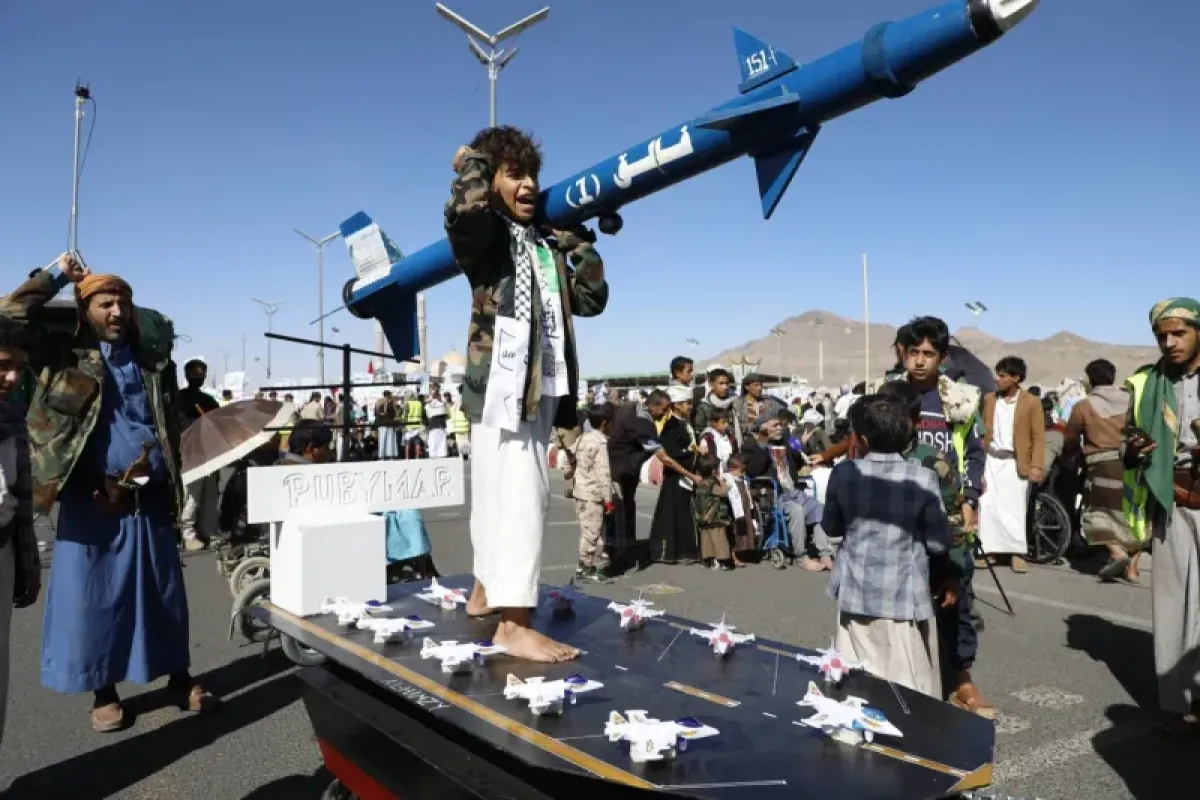
These strikes occurred shortly after the Houthis announced launching ballistic missiles and drones from hideouts in the Al-Amar highlands of the Al-Safra district in southern Saada towards Saudi territory. This region is considered a primary Houthi military and ideological center, containing command posts, weapons depots, manufacturing workshops, and fortified mountain facilities. Targeting these areas suggests military implications beyond direct retaliation, as they represent a crucial operational hub for the militia, which leverages Saada's mountainous terrain to conceal its military infrastructure and missile systems.
Concurrently, the Presidential Leadership Council convened an extraordinary joint meeting with the National Defense Council, chaired by President Rashad al-Alimi. The meeting, attended by council members and senior state officials, focused on the repercussions of recent Iranian and Houthi escalations and what was described as repeated violations of Yemeni sovereignty. The council affirmed that no foreign aircraft would be permitted to land at any Yemeni airport without government authorization, asserting that air traffic control and airport management are exclusive sovereign rights of the Yemeni state.
The meeting also praised the armed forces' readiness and their actions to thwart the attempt to impose a fait accompli at Sana'a airport, emphasizing heightened military preparedness and comprehensive defensive, political, diplomatic, and legal measures to safeguard national sovereignty. The council explicitly held the Houthi militia and the Iranian regime fully responsible for the escalation, deeming the recent violations breaches of international law and UN Security Council resolutions. It urged the international community to transition from condemnation to deterrence and sanctions enforcement, including arms and expert embargoes against the militia.
In a move suggesting readiness for confrontation, the Presidential Leadership Council requested continued support and assistance from the Saudi-led coalition to enable Yemeni armed forces to protect national sovereignty and airspace. Observers interpret this as a precursor to broader military coordination. Regionally, Saudi Arabia received clear backing from Gulf Cooperation Council (GCC) states, with the GCC Secretary-General condemning the Houthi attack as a "cowardly terrorist act" and a violation of international law, affirming that Saudi security is integral to GCC security. He stressed the need for a firmer international stance to deter the Houthis and hold those responsible for threatening regional and international security accountable.
This diplomatic and military activity coincided with reports of the US granting approval for a "highly unusual" military operation against the Houthis, as requested by Saudi Crown Prince Mohammed bin Salman. While the specifics and timing of this operation remain undisclosed, its description has fueled speculation about a significant expansion of military operations targeting the militia's strategic capabilities, particularly in light of cross-border attacks and increased Iranian involvement in Yemen. Analysts suggest that the synchronized airstrikes, council meetings, Gulf condemnation, and US reports indicate a hardening regional and international stance against the Houthis after years of prioritizing a political track.
These developments suggest that the Yemeni crisis may be entering a new phase marked by heightened military and political pressure on the Houthi militia. While the Yemeni government reiterates its commitment to peace, it emphasizes that protecting national sovereignty and preventing the imposition of conditions by force are non-negotiable priorities. Consequently, the coming days are likely to witness further escalation if the militia persists in its military approach and rejects political initiatives.