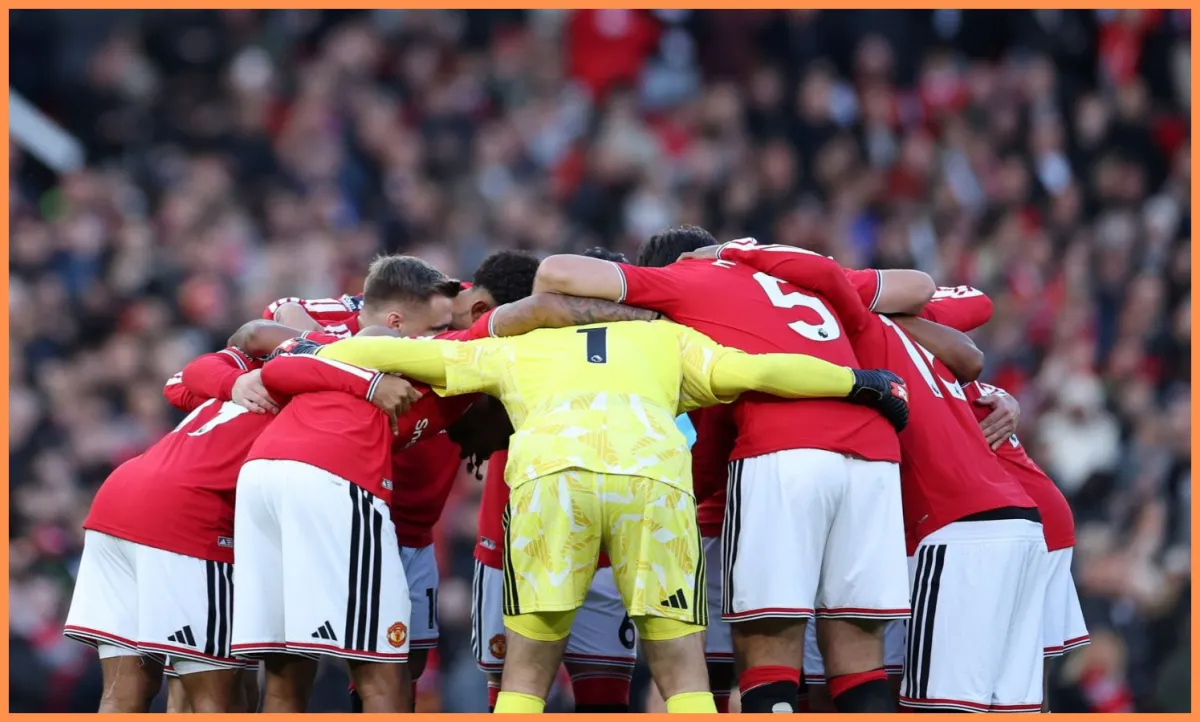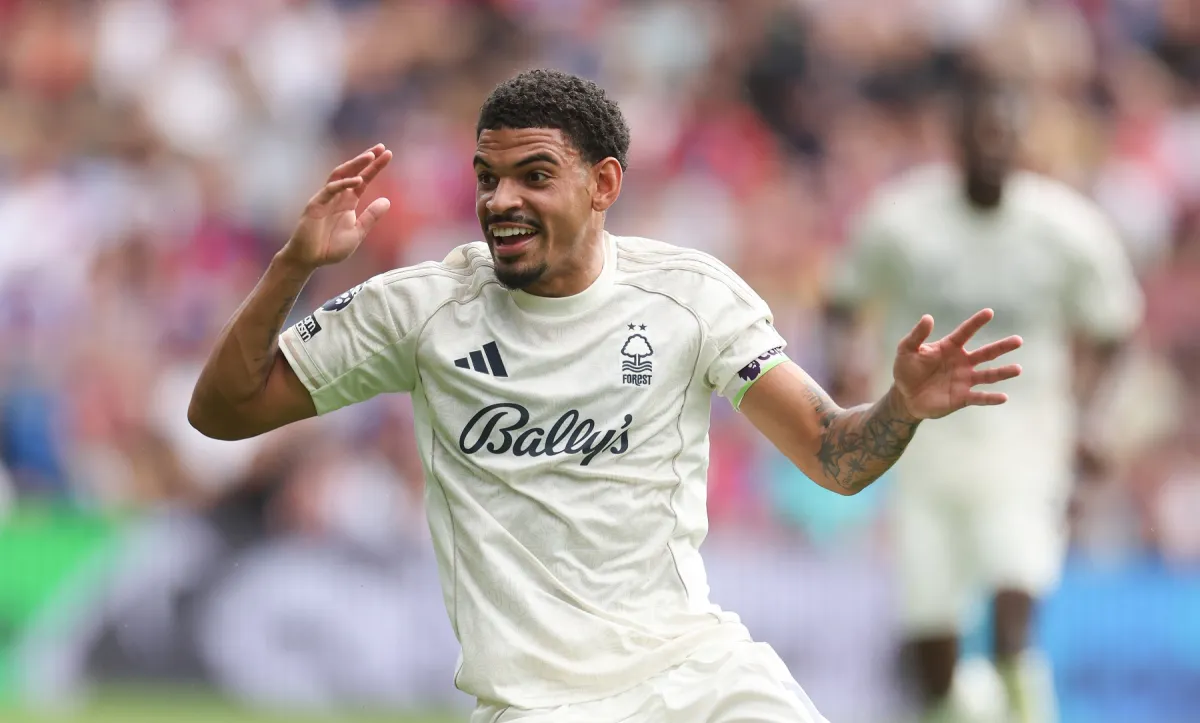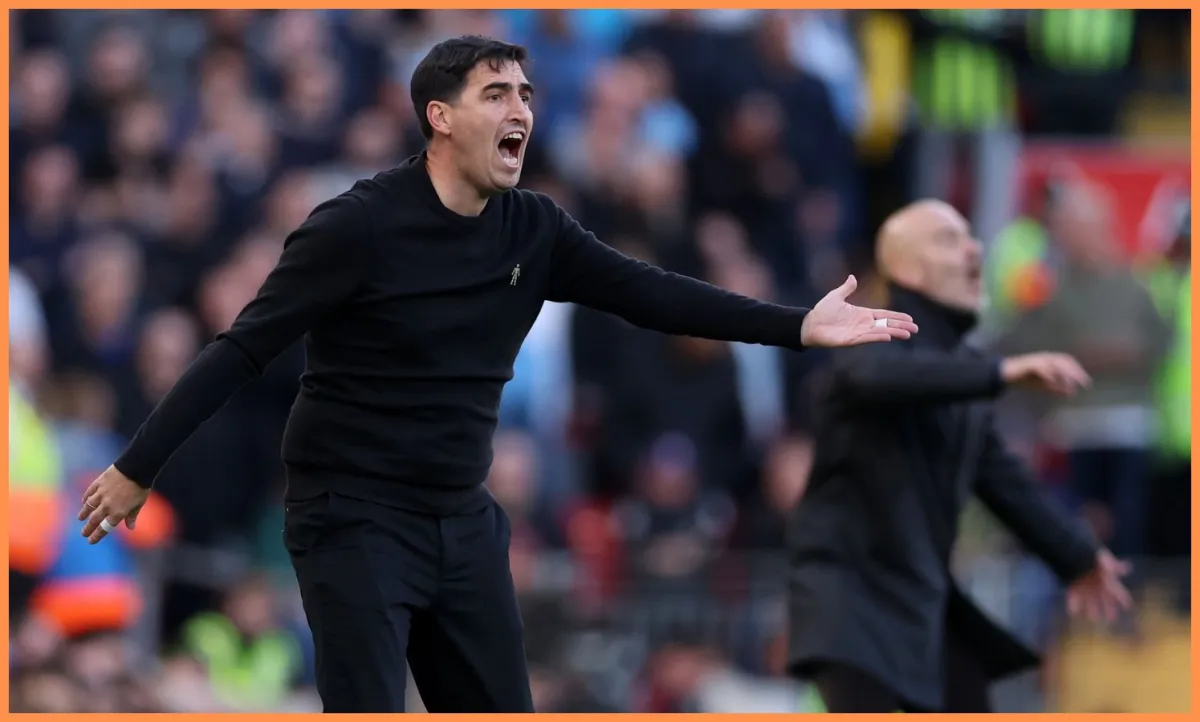
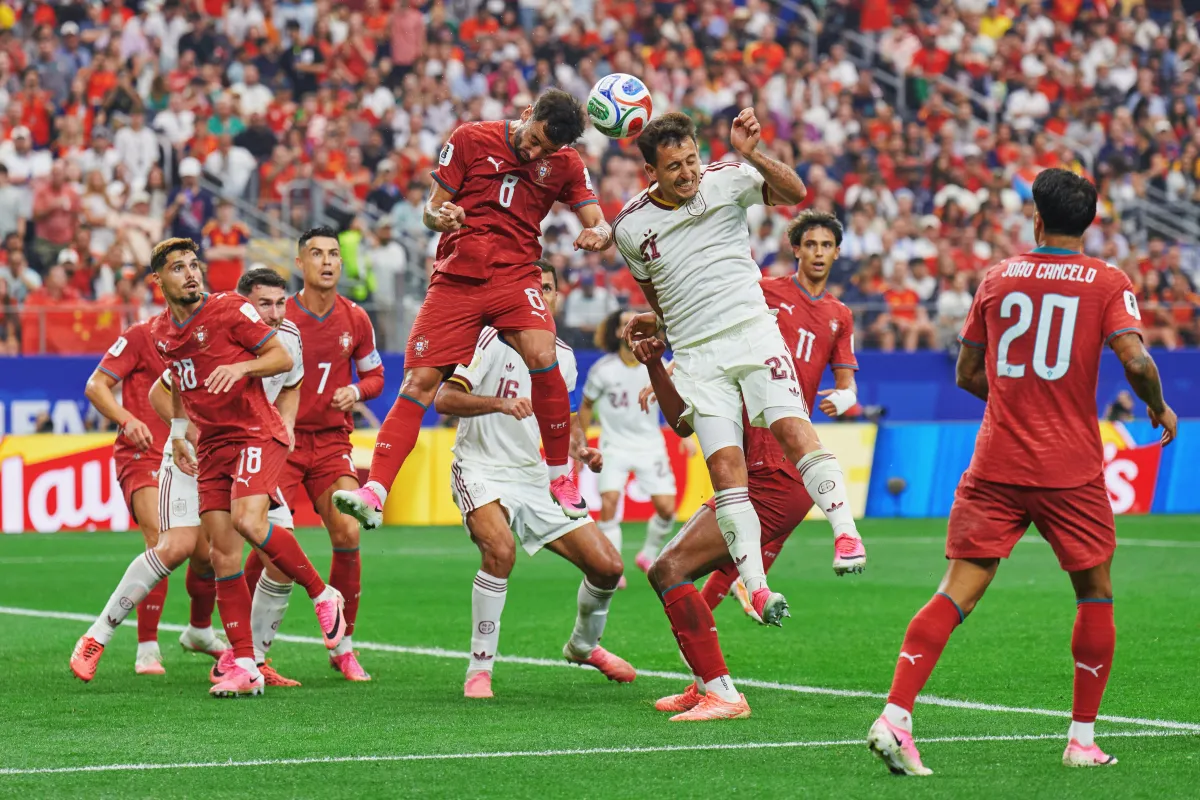
Spain scraped into the next round of the tournament thanks to a last-minute winner from Mikel Merino, but their lackluster attacking performance against Portugal has sparked debate: is it a deliberate strategy or a sign of trouble ahead?
Mikel Merino's 91st-minute goal secured a narrow victory for Spain, avoiding extra time against Portugal. Manager Luis de la Fuente's substitutions, bringing on Merino and assist-provider Ferran Torres, proved decisive. Historically, matches between Spain and Portugal rarely see a margin of more than one goal, and it's possible this tight contest was part of Spain's game plan.
While the first half offered more attacking intent and chances, the game's rhythm slowed considerably. Spain's expected goals (xG) of 1.78, not including several uncapitalized crosses, seem fitting for the encounter. Despite Portugal posing more of a threat than Spain's previous opponents, their attacking output, measured at 0.58 xG, was remarkably low. Spain has now recorded five consecutive clean sheets, showcasing a defensively solid unit.
However, Spain's offensive struggles were evident for the third time in five games. At times, their play appeared conservative and lacking punch. Even when Dani Olmo made effective runs through the Portuguese midfield, Spain often opted for safer passes rather than exploiting those openings. Their deliberate approach to central passing could be described as cautious, or perhaps even timid.
Captain Rodri Hernandez acknowledged the challenge, stating, "Whoever thinks we’re going to win without suffering is in the wrong, we showed maturity." This maturity might differentiate the current Spanish side from earlier iterations under de la Fuente. The impact of Nico Williams' pace and directness, crucial alongside Lamine Yamal's dynamism, was noticeably absent. Unlike their younger, more charismatic selves who thrived in open play, Spain's passing against Portugal was predominantly short, with only 6.8% of passes being long, a significant drop from their 17% in the Euro 2024 final.
The tactical decisions surrounding Mikel Oyarzabal were particularly puzzling. Despite his reputation for timely runs into the box, he was often positioned deeper than his teammates, level with midfielders like Dani Olmo. Opta's pass maps indicated Oyarzabal was frequently deeper than Lamine Yamal and Alex Baena. This lack of penetration between Portugal's center-backs suggests a deliberate instruction from de la Fuente, potentially to curb counter-attacks and secure possession after turnovers.
Looking ahead to a potential quarter-final clash with France, a team boasting significant attacking power, Spain's more measured approach could be interpreted as preparation. While Spain comfortably managed games against less potent opponents like Austria and Saudi Arabia, their controlled performances in other matches suggest a strategy focused on limiting chances. This defensive solidity might be their best path to overcoming France's formidable offense, though it remains to be seen if this cautious style is sufficient.